
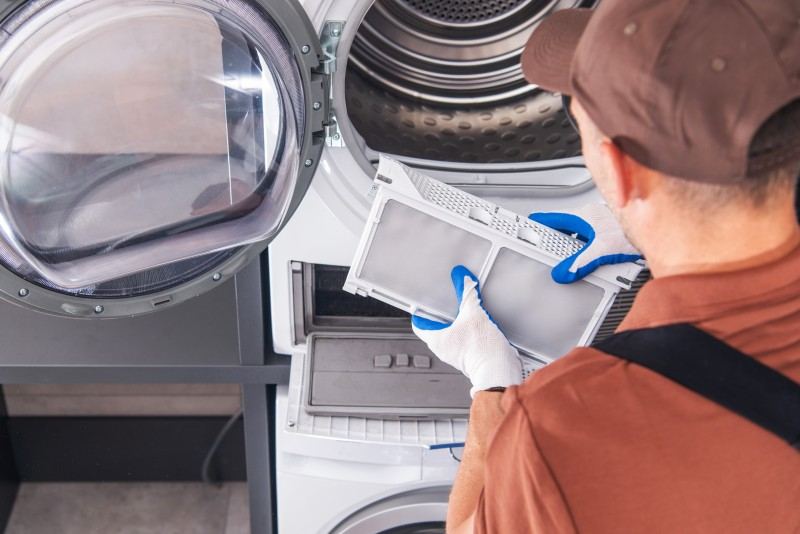
Modern tumble dryers have quickly evolved from luxury appliances into household essentials, especially during cold or rainy months. They eliminate the need for drying racks, save valuable time, and leave clothes soft, fresh, and ready to wear. The process seems simple and fully automated - load the wet laundry, select a program, and remove perfectly dry clothes at the end of the cycle while emptying the collected water from the reservoir. But what happens when this familiar routine is suddenly interrupted?
If, after an intensive two-hour drying cycle, your clothes are still damp and the condensation container is completely empty, this is a clear sign that something is wrong. When a dryer is not collecting water, it not only disrupts the drying process but also indicates that moisture is being trapped somewhere within the appliance's internal systems. In this guide, we will take a detailed look at how the moisture collection system works, what commonly causes this issue, and how to determine when professional assistance is required.
How the condensation system works and where the moisture goes
To understand why there is no water in your dryer's reservoir, it is important to first understand the path air and moisture follow inside the appliance. Whether you own a conventional condenser dryer or a heat pump dryer, the principles of moisture extraction are largely the same.
Warm air is circulated through the drum, where it absorbs moisture from the wet laundry. This moisture-laden air then passes through the lint filters and reaches the heat exchanger (condenser), where it is cooled rapidly. As the temperature drops, the moisture condenses into water droplets that collect in a small sump located at the bottom of the appliance.
Inside this lower reservoir is a small condensate pump whose job is to move the collected water through narrow hoses and up into the removable water container. If this chain of processes is interrupted at any point, the system stops functioning properly. The water either remains trapped at the bottom of the dryer or fails to condense altogether, remaining as water vapor inside the drum.
5 key reasons why your dryer is not collecting water in the container
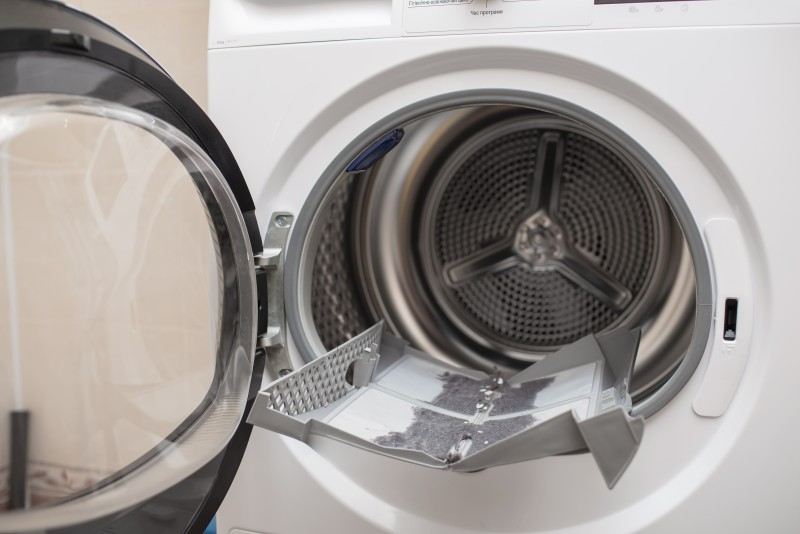
When the primary symptom is an empty water container despite a completed drying cycle, the underlying fault is typically mechanical or electrical. Below are the five most common causes identified by appliance repair professionals.
1. A blocked condensate pump or water pathway
This is by far the most common cause of the problem. Although dryers are equipped with lint filters, fine textile fibers, dust, pet hair, and other debris inevitably bypass them over time. These particles mix with condensed water at the bottom of the appliance and gradually form a thick, sticky sludge.
Once this buildup reaches the sump, it can clog the pump impeller or block the narrow hoses that carry water to the reservoir. The pump continues attempting to operate, but the water cannot reach the container. Most modern dryers will display an error code such as E20, F02, or a similar warning, although the exact code varies by manufacturer.
2. A faulty water level sensor (float switch)
Located near the condensate pump is a float switch that monitors the water level inside the sump. When enough water accumulates, the float rises and signals the control board to activate the pump. If the float becomes stuck due to lint buildup, dirt, or organic deposits, it remains in the lowered position. The appliance falsely assumes the sump is empty, the pump never starts, and no water reaches the upper container.
3. A clogged heat exchanger (condenser)
If the heat exchanger becomes coated with a thick layer of dust and fibers, it loses its ability to cool the warm, humid air passing through it. Instead of releasing its moisture, the air retains it, and the clothes continue tumbling in a constant stream of warm, humid air. As a result, the dryer may overheat, the laundry remains damp, and the water container stays completely dry.
A similar issue can occur when the moisture sensors inside the drum become contaminated. Over time, fabric softener residue can accumulate on their metal surfaces, causing them to interpret clothes as drier than they actually are. The dryer then ends the cycle prematurely before enough moisture has condensed and collected.
4. Wear or failure of the condensate pump
Like any electrical component, the condensate pump has a limited lifespan. The motor windings can burn out, or the mechanical connection between the motor and impeller can fail. When this happens, the pump simply stops transferring water from the sump to the collection container.
5. Problems with the heat pump or compressor
In modern heat pump dryers, both cooling and heating functions rely on refrigerant gases such as R134a or R290 and a compressor system similar to those used in refrigerators. If refrigerant leaks occur or the compressor fails, the appliance can no longer regulate temperatures effectively. Without sufficient cooling, condensation cannot occur. Without condensation, the water container remains empty.
Do not ignore changes in your dryer's performance before trapped moisture causes more serious damage to the appliance's internal electronics. Certified RotoRem technicians provide on-site diagnostics, maintenance, and repair services throughout Sofia, Varna, and the surrounding areas.
What you can check yourself when there is no water in the dryer reservoir
Before assuming a major fault exists, there are several simple and completely safe checks you can perform yourself.
- Check for an external drain connection: Many modern dryers allow water to be discharged directly into a drain through a hose connected to the rear of the appliance instead of collecting it in the reservoir. If the dryer has recently been moved or reconfigured, verify whether the drainage hose has been connected to a household drain. If it has, it is perfectly normal for the upper water container to remain empty.
- Thoroughly clean all filters: Remove the lint filter located around the door opening and wash it thoroughly using warm water and mild detergent. Fine residues from fabric softeners often clog the microscopic openings in the filter mesh, reducing airflow and affecting condensation efficiency.
- Inspect the accessible condenser: On traditional condenser dryers (without heat pump technology), a service panel is usually located at the lower left side of the appliance. Behind this panel is the metal heat exchanger, which can often be removed completely and rinsed thoroughly under running water to remove accumulated lint and debris.
If the problem persists after performing these checks, the blockage or malfunction is likely located inside the appliance's housing, where diagnosis requires disassembly and technical expertise.
Accumulated water trapped within the lower section of the appliance presents significant technical risks. When the pump fails to move water upward, the water level in the sump continues rising. Eventually, water can overflow beyond the designated channels and spill directly onto the metal base of the dryer.
Just as neglected faults in pressurized appliances can create safety hazards, the combination of standing water and electrical components inside a dryer can compromise safe operation. Located near the bottom of the appliance are the main motor, start capacitors, and much of the internal wiring. If water reaches these components, there is a serious risk of short circuits, tripped breakers, or damage to the expensive electronic control board.
In addition, constant moisture combined with elevated temperatures creates ideal conditions for mold and mildew growth. Over time, this can produce persistent unpleasant odors that transfer onto otherwise clean laundry.
Timely cleaning of the internal water pathways and removal of accumulated textile fibers helps prevent overheating and protects the condensate pump from failure. You can rely on RotoRem specialists for professional preventive maintenance and expert dryer servicing throughout Varna, Sofia and the surrounding areas.
Conclusion
If you notice that your dryer has stopped filling its water reservoir, it is a warning sign that should not be ignored. Cleaning accessible filters is an excellent first step in troubleshooting and maintenance. However, if the issue is caused by a blocked pump, a faulty float switch, or a malfunctioning heat pump system, professional intervention is the safest and most effective solution.
Proper diagnosis and repair not only extend the lifespan of your appliance but also protect your home from leaks and restore the convenience of perfectly dried laundry.
Frequently Asked Questions
Why does my dryer stop after five minutes and display a full container warning when the reservoir is empty?
This is a classic symptom of either a stuck float switch in the lower sump or a completely failed condensate pump. Water from a previous drying cycle remains trapped at the bottom of the appliance and activates the safety sensor. Since the dryer detects that it cannot remove additional water, the control software interrupts the cycle to prevent flooding of the motor compartment.
How can I tell whether the condensate pump is burned out or simply clogged?
When a pump is clogged with lint and debris, you will often hear a distinct humming, buzzing, or grinding sound coming from the bottom of the appliance as the motor attempts to rotate the blocked impeller. If the pump has failed electrically, it usually remains completely silent while water begins accumulating and potentially leaking beneath the appliance.
Can excessive use of fabric softener cause this problem?
Yes. Fabric softeners leave behind a thin, invisible oily film on clothing. During the drying process, this residue evaporates together with moisture and settles on the moisture sensors and heat exchanger surfaces. The resulting layer acts like an adhesive for fine dust particles, dramatically accelerating the formation of the sticky sludge that clogs the dryer's water pathways.
The information provided in this article is intended for informational purposes only and should not be considered a substitute for professional technical diagnostics or consultation with a qualified appliance repair specialist.