
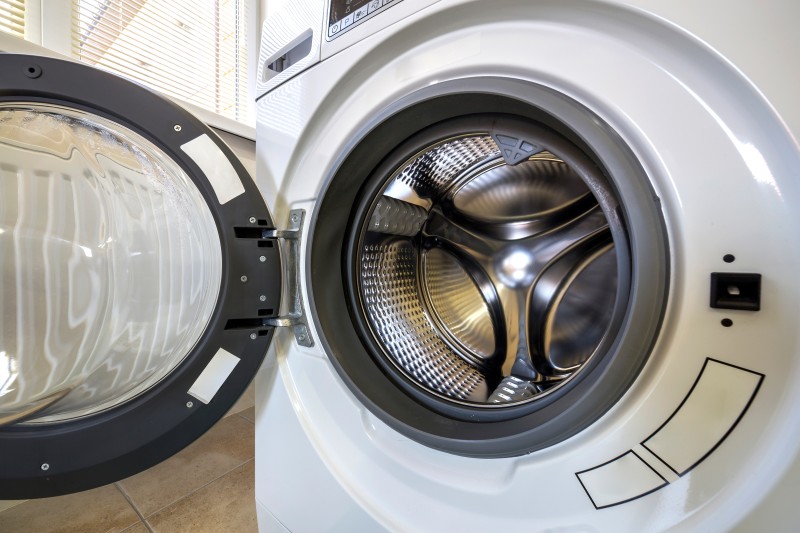
The washing machine is one of the hardest-working yet most overlooked appliances in the modern household. We often assume that because water and laundry detergent constantly pass through it, the appliance cleans itself.
The reality, however, is quite different. Over time, the washing machine's internal components accumulate fabric softener residue, clothing fibres, grease, limescale and mould spores.
The result? Clothes may begin to come out with a greyish cast and an unpleasant smell, while the appliance itself may suddenly stop working. In this detailed guide, we will show you step by step how to clean your washing machine professionally at home, helping to reduce dirt build-up and keep the appliance in good working condition.
Why Unpleasant Odours and Limescale Develop in a Washing Machine
Before looking at which products to use when cleaning a washing machine, it is important to understand the main factors that can damage the appliance:
- Detergent residue: When too much detergent or fabric softener is used, some of it may remain in the drawer, around the door seal and on the internal surfaces. These residues form a thin, greasy layer inside the drum and hoses.
- Moisture and mould: Because a washing machine is an enclosed and damp environment, any water left inside creates ideal conditions for bacteria and mould to develop.
- Hard water and limescale: The water is extremely hard in many regions of Bulgaria. Limescale deposits can reduce heating efficiency and place additional strain on the heating element. However, the exact cause of a fault can only be determined after a professional diagnosis.
How to Clean the Inside of a Washing Machine: Step by Step
Professional cleaning requires a systematic approach. Simply running one empty cycle is not enough. You need to pay attention to every part of the appliance. Here is how to complete the process:
Step 1: Clean the Detergent Drawer
The detergent drawer is where the largest amounts of dried detergent and sticky fabric softener tend to accumulate. These residues can quickly become a breeding ground for black mould.
Remove the drawer completely. Most models have a small plastic release button in the centre that needs to be pressed. Soak the drawer in warm water with a small amount of washing-up liquid. Use a small brush to scrub the hard-to-reach corners. Remember to wipe the drawer compartment as well, paying particular attention to the water nozzles in its upper section, where mould is most likely to accumulate.
Step 2: Clean the Washing Machine Door Seal
The rubber seal around the door is the most critical area when it comes to mould, as water remains trapped in its folds after every wash.
Clean the seal with a soft cloth and a suitable cleaning product, following the manufacturer's instructions. Do not mix bleach with vinegar or other acidic cleaning products. Carefully pull back the folds of the seal and wipe away any accumulated black residue.
Warning: Never use sharp objects, wire scouring pads or overly aggressive acids on the rubber seal. These may tear or damage it, potentially causing the washing machine to leak during use.
Step 3: Clean the Drain Pump Filter
When trying to determine how to remove an unpleasant smell from a washing machine, the answer can often be found in the drain pump filter. It is usually located in the lower-right or lower-left corner of the appliance's front panel.
- Place a shallow tray or thick towel on the floor, as residual water may escape when the filter is opened.
- Open the cover and unscrew the filter by turning it anticlockwise.
- Rinse it under running water and remove any accumulated hair, threads, coins and fine sediment.
- With the washing machine disconnected from the power supply, carry out only a visual inspection of the accessible area behind the filter.
- Screw the filter firmly back into place to prevent flooding during the next wash cycle.
Cleaning a Washing Machine: Household Remedies or Specialised Products
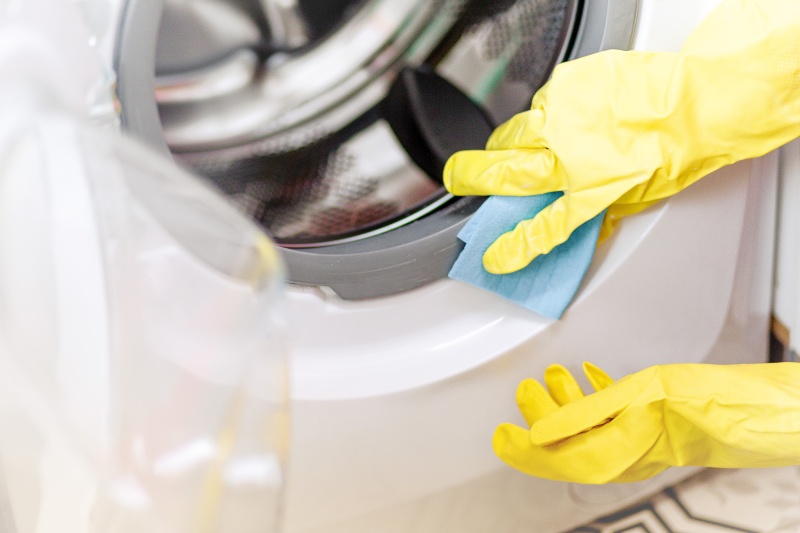
When deciding what to use to clean your washing machine, you have two main options: household remedies or ready-made specialised cleaning products.
| Cleaning method | Advantages | Disadvantages and risks |
|---|---|---|
| Vinegar and baking soda | An inexpensive, environmentally friendly and readily available method. Baking soda neutralises odours, while vinegar dissolves light limescale deposits. | Frequent use of concentrated vinegar may dry out and damage the appliance's rubber hoses over time. |
| Citric acid | Highly effective against limescale on the heating element. Considerably cheaper than many specialised cleaning products. | Excessive amounts may corrode the aluminium drum spider, potentially causing it to fail. |
| Specialised cleaning tablets | Designed specifically to protect metal and rubber components. Provide thorough cleaning. | More expensive than household alternatives. |
How Do You Clean a Washing Machine with Vinegar and Baking Soda
Vinegar and baking soda are often used for cleaning washing machines at home, but this method is not suitable for every model. Place half a cup of baking soda in the empty drum and a small amount of white vinegar in the detergent compartment. Then run an empty cycle at a high temperature. Do not use this method frequently, and do not mix the two ingredients together beforehand.
How Do You Use Washing Machine Cleaning Tablets
Specialised tablets are designed to remove detergent residue, unpleasant odours and organic dirt. Place the amount specified on the packaging in the empty drum or detergent compartment, depending on the manufacturer's instructions. Select the recommended programme and temperature. Once the cycle has finished, wipe the inside of the drum and dry the rubber door seal.
How Do You Remove Limescale from a Washing Machine with Citric Acid
Citric acid is often used to remove limescale deposits, but this approach is not officially recommended. Using the wrong amount or applying it too frequently may damage certain metal and rubber components. The safer option is to use a specialised washing machine cleaner and descaling product. Follow the instructions on the packaging and never mix different cleaning products.
Preventive Measures to Avoid Unpleasant Odours
Unpleasant smells inside the washing machine can be prevented by adopting a few simple habits:
- Leave the door open: After every wash, leave the door slightly open so that the drum can dry completely. The same applies to the detergent drawer.
- Use the correct amount of detergent: More detergent does not mean cleaner clothes. On the contrary, excess detergent builds up inside the pipes and other components.
- Run a high-temperature wash once a month: At least once a month, run a programme at 60°C or 90°C, for example when washing bed linen or towels. This helps reduce residue build-up and the development of unpleasant odours.
When to Consider Professional Washing Machine Cleaning
If your washing machine continues to smell unpleasant, makes excessive noise during the spin cycle or retains water inside the drum after a thorough cleaning, the underlying cause may not be related to dirt alone.
- The water does not heat up: If the water remains cold, possible causes include a faulty heating element, temperature sensor or control module. The exact source of the problem can only be identified after a professional diagnosis.
- Loud noise during the spin cycle: This may be caused by worn bearings or shock absorbers, an unevenly distributed load or a foreign object trapped inside the machine. An accurate diagnosis cannot be made based on the noise alone.
- Slow or absent drainage: Possible causes include a blocked filter or hose, a jammed pump or a fault in the drainage system. If water continues to remain inside the appliance after the accessible filter has been cleaned, a technical inspection is required.
- Persistent unpleasant odour: If the smell remains after cleaning the detergent drawer, door seal and filter and running an empty cleaning cycle, dirt may have accumulated in inaccessible parts of the system. In this case, professional cleaning or a technical diagnosis may be necessary.
Do not dismantle the washing machine or attempt to repair electrical or mechanical components yourself. If the unpleasant smell, excessive noise or drainage problems continue after completing the basic safety checks, the appliance should be inspected by a qualified technician.
The RotoRem team provides a prompt on-site response and reliable washing machine repair in Sofia, as well as professional washing machine repair in Varna. Our technicians use professional equipment and original spare parts to restore your appliance to working order as quickly as possible, often on the same day.
Frequently Asked Questions
How Often Should a Washing Machine Be Cleaned?
A thorough cleaning should be carried out approximately once a month, especially when the washing machine is used frequently or mainly operates at low temperatures. The detergent drawer and rubber door seal should be inspected and cleaned more frequently whenever visible residue, moisture or an unpleasant smell is present.
Can Washing Machine Cleaner Damage Coloured Laundry During the Next Cycle?
This should not happen when the product is used correctly and the instructions on the packaging are followed. After the cleaning programme has finished, check that no product residue remains inside the drum or detergent drawer. When in doubt, run an additional rinse cycle before adding coloured clothes.
How Do You Clean a Washer-Dryer Without Damaging the Drying System?
Use only cleaning methods and products that are suitable for a combined washer-dryer. Do not add unmeasured amounts of vinegar, baking soda or citric acid, as these substances may damage the seals and other components. Clean the accessible filters and surfaces according to the appliance manual, and use the maintenance programme if your model is equipped with one.
This article has been prepared for informational purposes and does not replace professional technical diagnostics.