
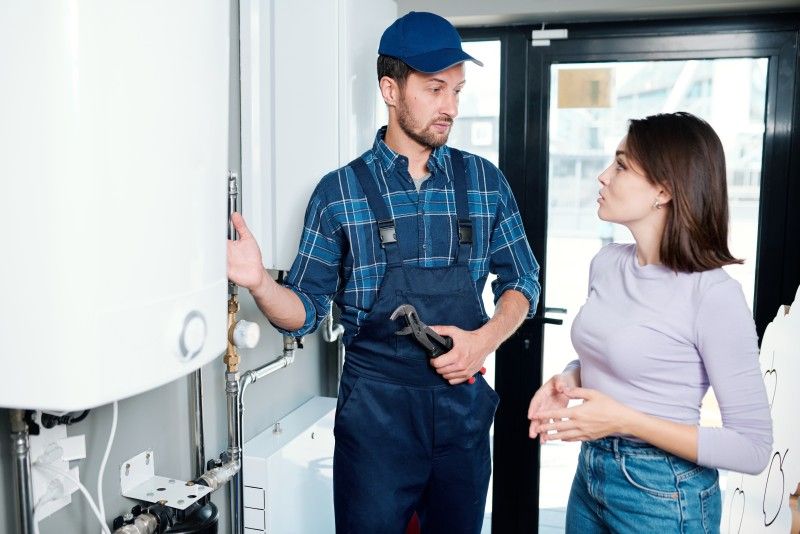
Unexpected popping, clicking, or humming sounds coming from your water heater are often signs that the appliance is operating under unusual conditions. Since household safety should always be a top priority, identifying these early warning signs is essential for preventing more serious failures and costly repairs.
Many homeowners tend to dismiss such sounds, assuming they are simply caused by the natural expansion and contraction of materials. In reality, however, a water heater rarely changes its “voice” without a specific technical reason. In this comprehensive guide, we will explore why these alarming popping sounds occur, what exactly happens inside the tank when temperatures change, and how to distinguish harmless physical processes from genuine mechanical problems.
Why does your water heater make popping sounds when you turn on the water?
Hearing noises the moment you turn on a faucet or shower is one of the most common complaints among homeowners. When a distinct popping sound occurs as water begins to flow, the source may be either a harmless physical phenomenon or an indication of a developing mechanical issue.
One of the most common non-threatening causes is the thermal expansion and contraction of materials. When you run hot water, cold water immediately enters the tank to replace the hot water being drawn out. This sudden temperature change causes the internal metal tank, as well as nearby metal or plastic pipes, to contract rapidly. If the mounting brackets or pipes are secured too tightly against the wall without flexible padding, this movement can produce a clear popping sound. In such cases, the phenomenon poses no immediate danger, although it can be quite irritating.
However, there are situations where these sounds indicate a genuine pressure-related problem. If the internal structure of the appliance is repeatedly subjected to strong hydraulic shocks whenever a faucet is opened or closed, the tank walls can experience slight deformation. Over time, the metal becomes fatigued from repeated stress, potentially compromising the integrity of the enamel lining and creating conditions that may eventually lead to leaks.
Noise when running hot water: Is the problem in the water heater or the pipes?
Before addressing the issue, it is important to determine exactly where the noise is coming from. Not every sound heard when running hot water originates from the water heater itself. In many cases, the real culprit is an improperly secured or poorly designed plumbing system.
When water travels through pipes at excessive speed or pressure, a phenomenon known as “water hammer” can occur. If the hot-water pipes run behind the water heater and are not properly insulated with suitable cushioning materials - or if the pipe clamps lack rubber inserts - the pipes may vibrate and strike the appliance’s casing. This loud knocking sound is frequently mistaken for a fault within the water heater.
On the other hand, if the noise originates directly from inside the tank and resembles scraping, crackling, or loud popping immediately after water begins flowing, it may indicate that the internal hot-water outlet tube has become detached, bent, or damaged. Since this component is responsible for directing hot water from the upper portion of the tank, any damage can disrupt normal water circulation and requires professional diagnosis.
Do not ignore changes in your water heater’s operation before they develop into a serious breakdown. The certified technicians at RotoRem provide on-site inspections and expert diagnostics throughout the Sofia and Varna regions.
Water heater noise during heating: What could be causing it
If the appliance remains completely silent when idle but begins making unusual sounds during its heating cycle, attention should be focused on the heat-transfer process. Noise produced during heating is rarely considered normal in a properly functioning and well-maintained water heater.
When the heating element switches on, it transfers a large amount of thermal energy to the surrounding water. Under ideal conditions, this process is virtually silent. However, when the balance is disrupted, sounds ranging from a faint hissing noise - similar to an electric kettle heating up - to a deep, persistent rumble may occur. The three most common causes are:
- Localized water boiling in confined areas: When the surface of the heating element becomes insulated from direct contact with the surrounding water, areas of extremely high temperature can develop. Water trapped in these zones boils almost instantly, creating steam bubbles that collapse moments later when they encounter cooler water. This process produces a constant and often irritating noise.
- Excessively high water pressure: If the incoming water pressure exceeds recommended levels, the appliance experiences additional stress. Water can begin producing noticeable noise as it passes through narrow sections of the system and the safety relief valve.
- Deformation of the heating element: In cases of severe overheating, the heating element itself may warp or expand. This alters the internal flow dynamics within the tank and can generate vibrations and unusual sounds.
Your water heater is popping because of limescale build-up: How to recognize the signs
Let’s look at the most common culprit in many households - hard water. In areas with high concentrations of calcium and magnesium minerals, limescale accumulates rapidly as a hard crust on heating elements. When your water heater starts making popping noises, excessive limescale build-up is often the direct cause.
From a physical perspective, the process is quite fascinating. The limescale forms a thick insulating shell around the heating element. Since mineral deposits conduct heat poorly, the element can no longer transfer heat efficiently to the surrounding water. As a result, it reaches extremely high temperatures inside this mineral “capsule.” Any water that penetrates microscopic cracks within the limescale instantly turns into high-pressure steam. The steam then breaks apart sections of the mineral coating as it escapes. These tiny thermal explosions are exactly what we hear as loud popping or cracking sounds.
How can you tell if this is the cause? The symptoms typically develop gradually:
- Initially, you may notice a mild hissing sound during heating.
- After several months, the water heater takes noticeably longer to heat water, and electricity consumption increases due to reduced efficiency.
- Eventually, loud popping sounds appear, and small white or yellowish particles may begin flowing from the hot-water tap.
Once the problem reaches this stage, the appliance effectively becomes a “popping water heater” - a condition that should never be ignored. The thick limescale layer will eventually cause the heating element to overheat, fail, or even rupture.
When a popping water heater is a sign of a malfunction
Many homeowners wonder when unusual sounds cross the line from being merely annoying to becoming genuinely dangerous. A popping water heater should be considered faulty when the sounds are accompanied by specific physical symptoms.
First, if the popping evolves into heavy, dull banging noises that shake the entire appliance, this may indicate thermostat failure and boiling water inside the tank. This is an extremely hazardous situation that requires the power supply to be switched off immediately at the electrical panel.
Second, if loud noises are accompanied by dripping or leaking water from the lower cover - where the electrical connections are typically located on vertically mounted models - the situation is critical. Limescale-related damage may have breached the heating element’s protective casing, allowing water to come into direct contact with live electrical components. This creates a significant risk of short circuits and electrical hazards.
The requirements governing thermal protection systems, safety valves, and electrical safety in domestic storage water heaters are defined by the applicable safety standard for storage water heaters. When an appliance exhibits signs that its safety mechanisms are no longer functioning correctly, it can no longer be considered safe for operation and should be inspected immediately by a certified professional.
Even if the water heater is simply noisier than usual, it often indicates reduced efficiency. Rather than waiting for the heating element to fail completely and leave you without hot water at the worst possible moment, scheduling professional maintenance is the smarter approach.
Periodic descaling helps prevent heating-element failure and reduces electricity costs. You can rely on the specialists at RotoRem for professional maintenance and high-quality water heater servicing in Varna and Sofia.
How to prevent noise and popping sounds
To keep your water heater from becoming a constant source of concern, regular maintenance is essential. Here are several practical preventive measures:
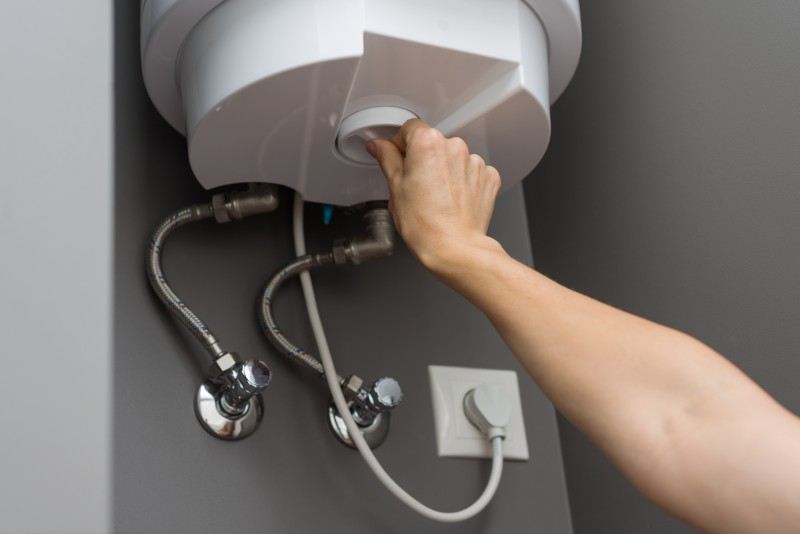
- Lower the operating temperature: Set the thermostat to a maximum temperature of 60°C (often labeled as “Eco” mode). At temperatures above 60°C, limescale formation accelerates significantly, making it one of the primary causes of water heater noise.
- Install a pressure-reducing valve: If your home experiences unusually high water pressure, installing a pressure-reducing valve at the main water supply entry point can protect the appliance from hydraulic shocks and eliminate pipe-related popping sounds.
- Schedule regular cleaning: Do not wait until limescale hardens enough to damage the heating element. Preventive cleaning and inspection every one to two years - depending on the hardness of the local water supply - helps ensure quiet, efficient operation.
In conclusion, every new and unusual sound is your water heater’s way of signaling that something in its operating environment has changed. Responding promptly to the first signs of excessive noise is one of the best ways to avoid costly repairs, water damage, or the need for an emergency replacement. Regular maintenance performed by a certified technician ensures not only a reliable supply of hot water but also peace of mind regarding the safety of your home.
Frequently Asked Questions
Can a water heater explode if it makes loud popping sounds?
Popping noises alone - most commonly caused by limescale build-up or thermal expansion - do not lead to explosions. The real danger arises only if the appliance is consistently overheating due to thermostat failure while the safety relief valve is also blocked or malfunctioning. Regular inspection of the safety valve is your best protection.
Will replacing the heating element permanently solve the popping problem?
Replacing the heating element and cleaning the tank will eliminate the noise immediately. However, because the incoming water supply remains unchanged, the limescale will begin accumulating again over time. For a long-term solution in areas with very hard water, consider installing a water-softening system or choosing a model equipped with a dry (encapsulated) heating element, which does not come into direct contact with water.
The information provided in this article is for informational purposes only and is intended to help identify potential symptoms. All inspections, repairs, and work involving electrically powered appliances should be carried out exclusively by qualified and certified technicians in accordance with applicable electrical safety regulations and standards.