
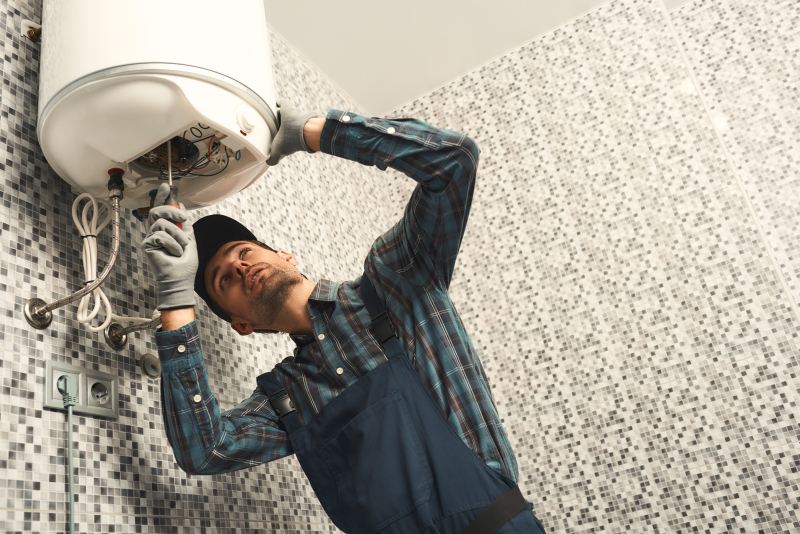
The home is our sanctuary, the place where we feel protected and at ease. At the heart of this comfort are the household appliances we often take for granted until they stop working. The water heater is exactly this kind of "silent worker". It provides hot water for our everyday needs, but because it is usually hidden away in the bathroom or utility room, we rarely pay attention to it until a problem appears. When it comes to an appliance that combines high pressure, hot water and electricity, the question of when a water heater becomes dangerous is no longer simply a matter of technical curiosity. It becomes a critical issue for the safety of our family.
In this guide, we will look in detail at the symptoms that signal a potential danger, analyse why small leaks should not be ignored and explain how to maintain the appliance properly in order to avoid serious faults. Our aim is to give you an expert perspective that will help you recognise risks in time and take the right steps.
The Water Heater Is Leaking or Dripping from Below - Is It Dangerous and Can It Wait?
One of the most common signs that something is wrong is moisture appearing underneath the appliance. When we notice that the water heater is dripping from below, the first reaction is often to dry the area temporarily and hope that the problem will go away on its own. It is important to understand, however, that in a closed pressurised system, no leak is accidental or harmless.
The answer to the question "My water heater is leaking - is it dangerous?" depends on the source of the leak, but in most cases the answer is "yes". If water is coming from the flange or from the areas where the electrical connections are located, the risk of a short circuit is extremely high. Water is an excellent conductor of electricity, and when it comes into contact with the heating element or the wiring, the appliance's safety systems may fail. This creates a risk of electric shock when touching the tap or the casing of the water heater.
Internal Corrosion and the Risk of a Burst
When the water heater is leaking directly from the tank, this is usually a sign of advanced corrosion. Modern water heaters have an enamel coating that protects the metal, but over time, and under the influence of hard water, microcracks can appear. If you notice that your water heater has started leaking, this means that the structural integrity of the tank has been compromised. If the walls have become severely weakened and the safety valve is also faulty, a sudden burst may occur, releasing hot water under pressure.
Do not risk your safety when there are signs of a leak. RotoRem technicians in Sofia and Varna offer fast diagnostics and on-site repairs to identify the exact source of the problem and prevent more serious damage.
The Water Heater Is Dripping from the Valve: What Should You Do?
The non-return safety valve is the most important protective component of your water heater and performs three main functions: it prevents hot water from flowing back from the water heater into the mains water supply, releases excess pressure generated when the water heats up, usually activating at a pressure above 6-8 bar, and allows the water heater to be drained when maintenance is required.
When the water heater drips from the valve, this can be a normal "breathing" process of the appliance. As the water heats up, it expands, the pressure inside the tank rises and the valve releases the excess, protecting the tank from deformation. This behaviour is intentional by design and is not a fault. Constant dripping, however, especially outside the heating cycle, is a sign of a serious malfunction.
If the valve drips even when the water heater is not heating, this probably means that the pressure in the water supply system is too high or that the valve itself has failed due to limescale build-up. Limescale can block the mechanism, making it unable to open at critical pressure. This is an extremely dangerous situation, because without a functioning safety valve, the water heater becomes a pressurised vessel with no safety mechanism.
How Should You React?
The first step is to check whether the dripping stops after the heating cycle has finished. If it continues, the component needs to be cleaned or replaced. Never block the outlet of the safety valve - neither with a plug nor with a bent or compressed hose. Doing so directly eliminates the appliance's protection, and if the operating pressure is exceeded, the tank is left without emergency pressure relief.
Other Signs That the Water Heater May Be Dangerous
In addition to visible leaks, there are also less obvious symptoms that require immediate expert intervention:
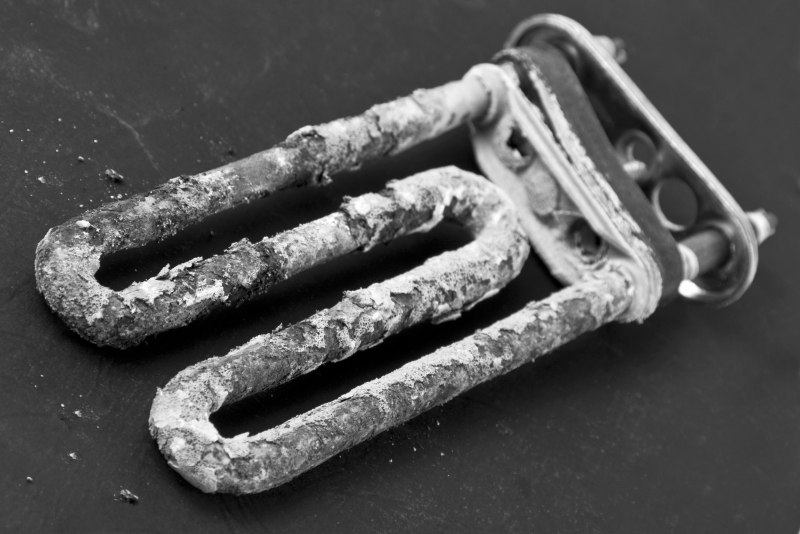
- Strange noises, such as cracking or humming: If the water heater makes loud noises while operating, this is usually a sign of a significant amount of limescale deposits on the heating element. Limescale causes localised overheating, which can lead to deformation of the heating element and damage to its insulation. With wet heating elements, which are immersed directly in the water, this type of damage is particularly dangerous, as it creates direct contact between electricity and water. Dry heating elements, usually ceramic type, are better protected against this scenario.
- A smell of burning or sparking: This is a critical warning sign of a problem in the appliance's electrical installation, such as burnt terminals or poor connections, which may cause a fire.
- Excessively hot water or steam: If steam is coming out of the tap or the water is far above the set temperature, this means that the operating thermostat has failed and the appliance is not stopping the heating process. Modern water heaters usually also have a thermal cut-out, a second level of thermostat protection, which cuts off the power supply when a critical temperature of around 90-95C is reached. If this also fails, the risk of the water overheating to the point of steam formation, and of explosive evaporation in the event of a tank rupture, becomes real.
- Rusty water: This is a sign of corrosion inside the tank and usually precedes the moment when the water heater starts leaking.
How to Prevent Accidents
Prevention is the best way to ensure peace of mind. Proper maintenance not only extends the life of the appliance but also ensures that it does not become dangerous to the people around it.
Regular Replacement of the Magnesium Anode
The magnesium anode is a component whose only purpose is to corrode instead of the tank. It corrodes before the steel of the tank due to its electrochemical properties - it has a lower electrochemical potential and attracts oxidation processes to itself, thereby protecting the walls of the water heater. When the anode wears out, usually every 2-3 years, or even more frequently in areas with very hard water and intensive use, corrosion begins attacking the walls of the water heater. Regular inspection and replacement of the magnesium anode is the most cost-effective way to prevent a situation in which the water heater starts leaking.
Servicing and Limescale Cleaning
In areas with hard water, as is the case in many parts of Sofia and Varna, descaling the water heater every two years is essential. This improves energy efficiency and protects the heating element from failure.
RotoRem specialists provide professional maintenance in Sofia and Varna, including limescale cleaning and inspection of all safety systems, ensuring reliable operation of your water heater.
When Is Repair Needed and When Should the Water Heater Be Replaced?
Many users hesitate over whether it is worth investing in repairs to an old appliance. Here are some guidelines:
- Repair is justified when the problem is in easily replaceable parts such as the heating element, thermostat, gasket, flange or safety valve. If the appliance body is in good condition, replacing these components by a professional technician will restore the water heater's full functionality.
- Replacement is necessary when the tank has been punctured and the water heater is leaking from the vessel itself. Welding enamelled tanks is ineffective and dangerous. Also, if the water heater is more than 10-12 years old and begins to develop frequent faults, investing in a new, energy-efficient model is the more sensible solution.
Conclusion
Knowing the signs of when a water heater is dangerous is the first step towards protecting your home. Regular maintenance and a quick response when the first drops appear under the appliance can save you not only costly flood-related repairs but also help prevent potentially fatal incidents. Always rely on experienced professionals who have the necessary diagnostic equipment and original spare parts. To save yourself time and further complications, contact the experts at RotoRem for accurate diagnostics and reliable on-site repairs.
Frequently Asked Questions
Can I Replace the Safety Valve Myself?
Technically, replacing the safety valve is a straightforward plumbing task, but it requires attention to several important details. The new valve must have the same activation pressure as the original one, usually 6, 7 or 8 bar depending on the water heater. It must be installed in the correct flow direction, as indicated by the arrow, and sealed properly. An unsuitable or incorrectly installed valve can compromise the appliance's protection. If you do not have experience with plumbing work, it is safer to have the replacement carried out by a plumber or technician.
Why Does the Water from the Water Heater Give an Electric Shock?
This is an extremely dangerous situation, caused by a faulty heating element and a lack of proper earthing or bonding. Modern electrical installations must have a functioning residual-current device, or RCD, with a tripping threshold of 30 mA, which cuts off the power supply in the event of current leakage. If your water heater gives an electric shock and the RCD does not trip, you have a double problem - both with the appliance and with the electrical installation. If you feel even the slightest tingling sensation from the water, switch off the water heater immediately from the electrical panel and do not use it until it has been inspected by a specialist.
How Often Should I Test the Safety Valve?
Most manufacturers recommend operating the valve lever once a month to flush the mechanism of any potential deposits. If the water does not stop running after releasing the lever, the valve must be replaced.
This article is for informational purposes only and does not replace on-site technical diagnosis by a qualified specialist.